Allulose-Sweetened Eggnog
Cooked, alcohol-free eggnog with egg yolks, whole milk and almond milk, nutmeg and cinnamon, sweetened with allulose and heated to 160°F so it is safe to drink. About 12 g of carbohydrate per ½ cup.
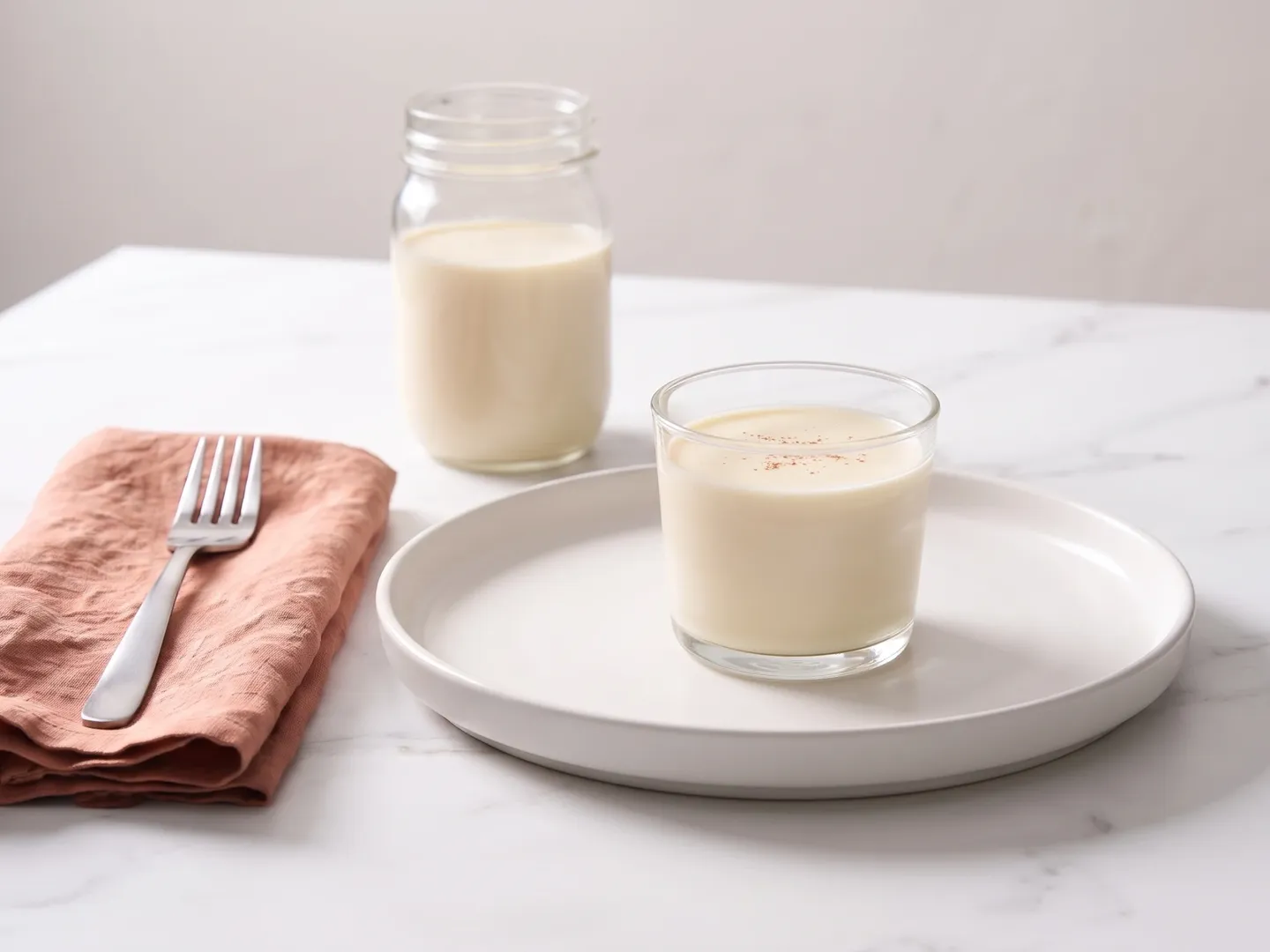
One serving
One serving is ½ cup (120 ml), makes 6. Prep 10 min · Cook 10 min · Rest or chill 3 h.

Steps
Heat the whole milk and almond milk in a saucepan over medium heat until steaming, about 4 minutes.
In a glass bowl, whisk the egg yolks and allulose until pale and slightly thick, about 1 minute.
Slowly pour about 1 cup of the hot milk into the yolks while whisking, so they warm up without scrambling.
Pour the mixture back into the saucepan and cook over medium-low heat, stirring constantly with a wooden spoon, until a thermometer reads 160°F (71°C) and the eggnog coats the spoon, about 5 minutes.

AI-generated illustrative image. Take the pan off the heat, stir in the nutmeg, cinnamon, vanilla extract and salt, and pour through a fine strainer into a glass jar.
Refrigerate right away until cold, about 3 hours; it thickens as it chills.
Stir, pour ½ cup into each glass and sprinkle a pinch of nutmeg on top.
On the plate
A drink, not part of the plate. Half a cup adds about 12 g of carbohydrate to the meal or snack.
Nutrition
| Nutrient | Per serving (1/6 of recipe) |
|---|---|
| Calories (kcal) | 85 |
| Total carbohydrate | 12 g |
| Dietary fiber | <1 g |
| Total sugars | 4 g |
| Protein | 4 g |
| Total fat | 6 g |
| Saturated fat | 2 g |
| Sodium | 80 mg |
Total carbohydrate includes fiber, as on US nutrition labels. Values are calculated from USDA FoodData Central for the ingredients as listed and are estimates. How we calculate.
Where these numbers come from
| Ingredient | Weight | Carbs | Source |
|---|---|---|---|
| whole milk Milk, whole | 360 g | 17.3 g | “Milk, whole, 3.25% milkfat, with added vitamin D”, USDA SR Legacy, FDC ID 171265 |
| almond milk Almond milk, unsweetened | 240 g | 3.1 g | “Beverages, almond milk, unsweetened, shelf stable”, USDA SR Legacy, FDC ID 174832 |
| egg yolks Egg yolk, raw | 72 g | 2.6 g | “Egg, yolk, raw, fresh”, USDA SR Legacy, FDC ID 172184 |
| allulose Allulose, granulated | 48 g | 48.0 g | “ALLULOSE SUGAR”, USDA Branded, FDC ID 2652700 |
| nutmeg Nutmeg, ground | 1 g | <1 g | “Spices, nutmeg, ground”, USDA SR Legacy, FDC ID 171326 |
| cinnamon Cinnamon, ground | <1 g | <1 g | “Spices, cinnamon, ground”, USDA SR Legacy, FDC ID 171320 |
| vanilla extract Vanilla extract | 5 g | <1 g | “Vanilla extract”, USDA SR Legacy, FDC ID 173471 |
| salt Salt | <1 g | 0.0 g | “Salt, table”, USDA SR Legacy, FDC ID 173468 |
Counted as zero because the source has no value and the amount is 1 g or less per serving: nutmeg (); cinnamon (); vanilla extract (); salt ().
Calculation engine v1.2.0.
Swaps and variations
- Thicker
- Use all whole milk instead of half almond milk; it is richer and a little higher in carbohydrate.
- Dairy-free
- Use all unsweetened almond milk; it is thinner and lower in carbohydrate.
Storage
Keep it in a closed jar in the fridge up to 3 days. Do not leave it out for more than 2 hours.
Nutrition values are estimates calculated from USDA data for the ingredients as listed. This recipe is information, not medical advice; decisions about your diet belong to you and your healthcare team. How we calculate.
Printed from diabetesbites.com/recipes/allulose-sweetened-eggnog. Nutrition per serving is calculated from USDA FoodData Central for the ingredients as listed.
FAQs
Quick answers about allulose-sweetened eggnog.
Is this eggnog sugar-free?
No. The milk brings about 4 g of natural sugar (lactose) per ½ cup, and allulose, which US labels count in total carbohydrate but not in sugars, adds 8 g of carbohydrate.
Is homemade eggnog safe to drink?
Yes, when the egg mixture is cooked to 160°F (71°C), as in step 4, and kept cold afterward.
How many carbohydrates are in half a cup?
About 12 g, 8 g of it from allulose.
Why use allulose?
It dissolves, browns and tastes much like sugar. US nutrition labels leave it out of total and added sugars but count it in total carbohydrate, and so do we.
How was this recipe?
Be the first to rate it.
More recipes
 19 g carbs
Allulose-Sweetened Hot Chocolate
 14 g carbs
Lighter Mac & Cheese
 15 g carbs
Roasted Brussels Sprouts with Parmesan
 11 g carbs
Low-Carb Green Bean Casserole
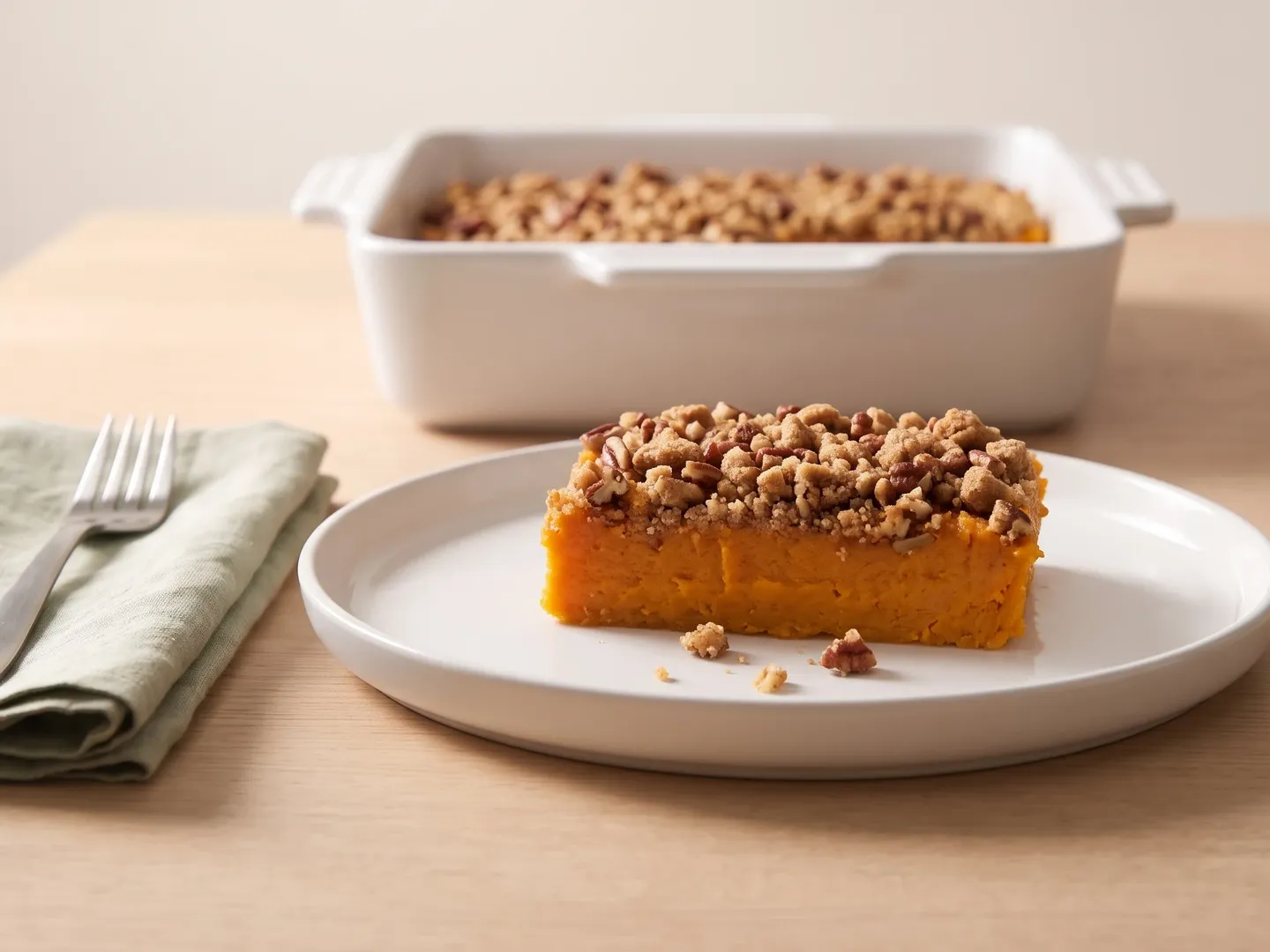 15 g carbs
Spiced Sweet Potato Casserole
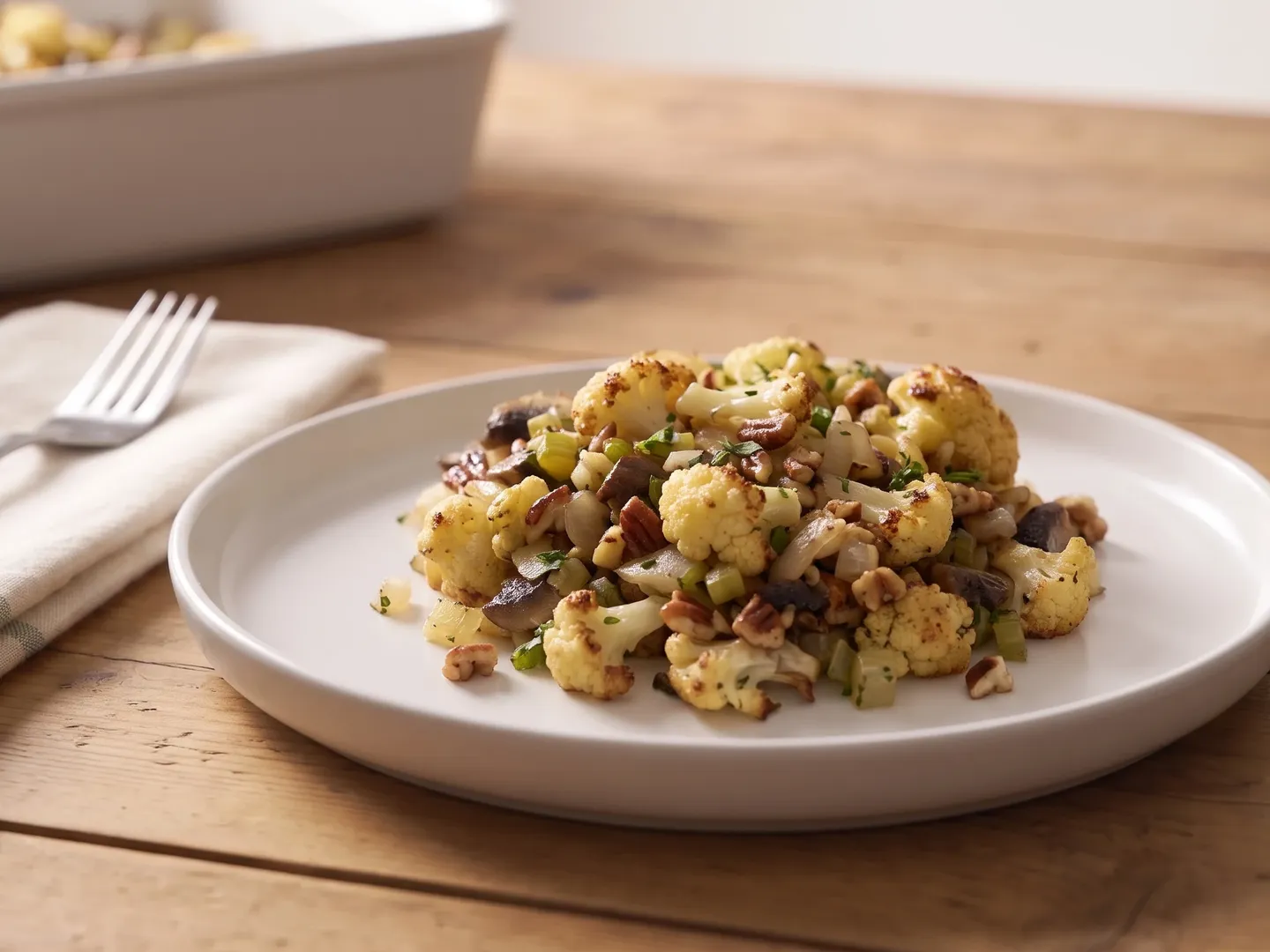 10 g carbs
Low-Carb Cauliflower Stuffing
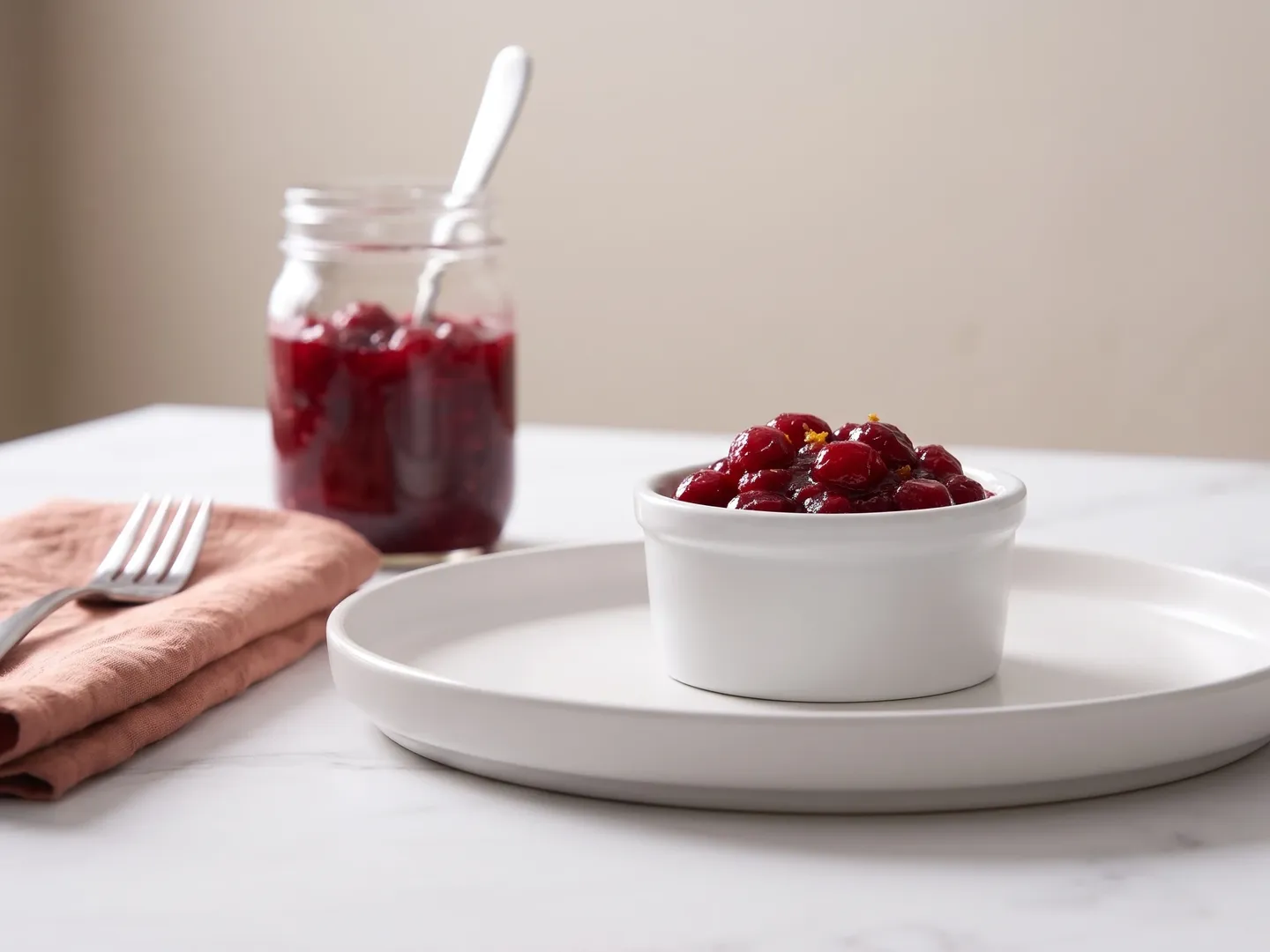 14 g carbs
Allulose-Sweetened Cranberry Sauce
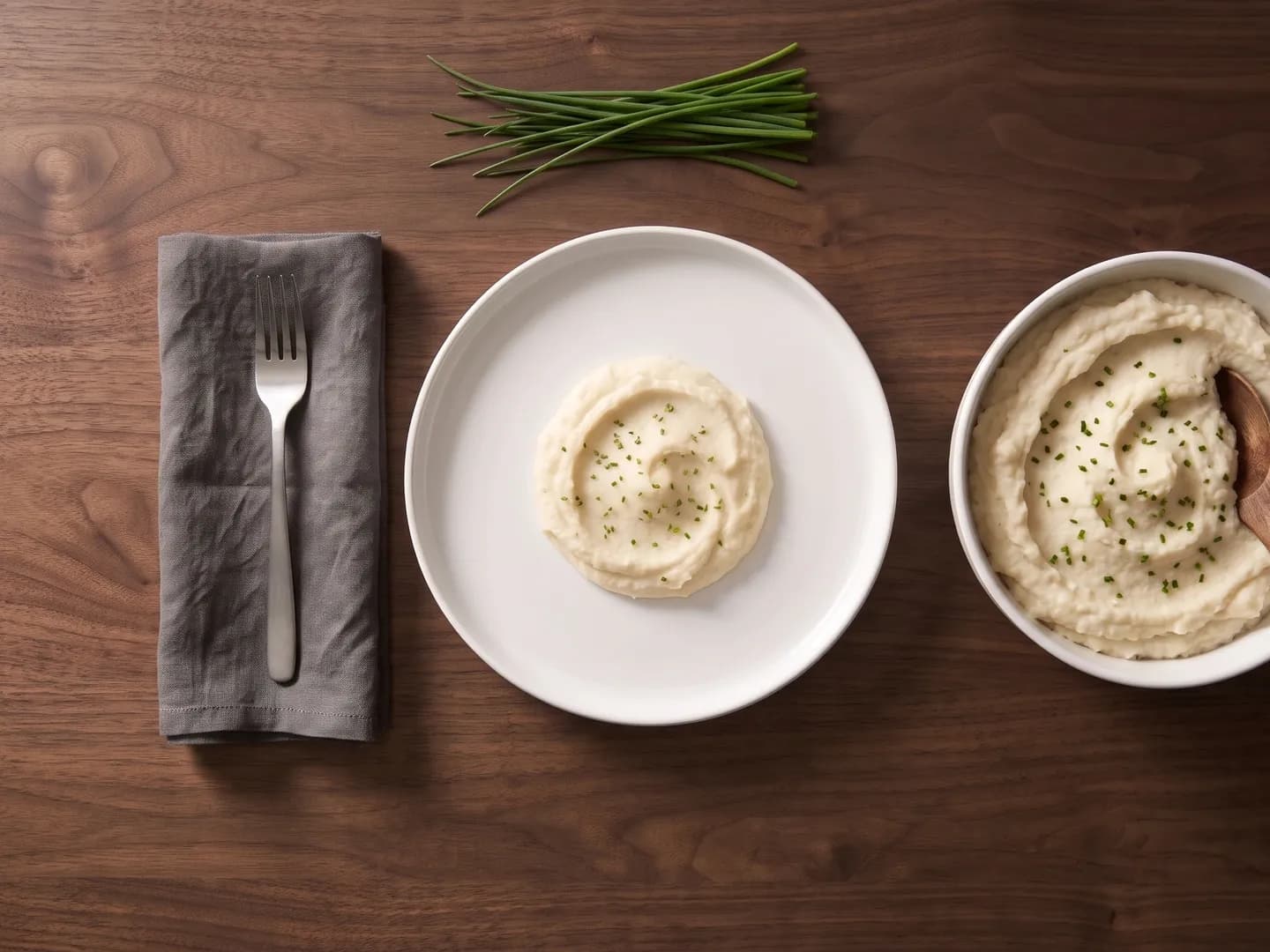 11 g carbs
Mashed Cauliflower