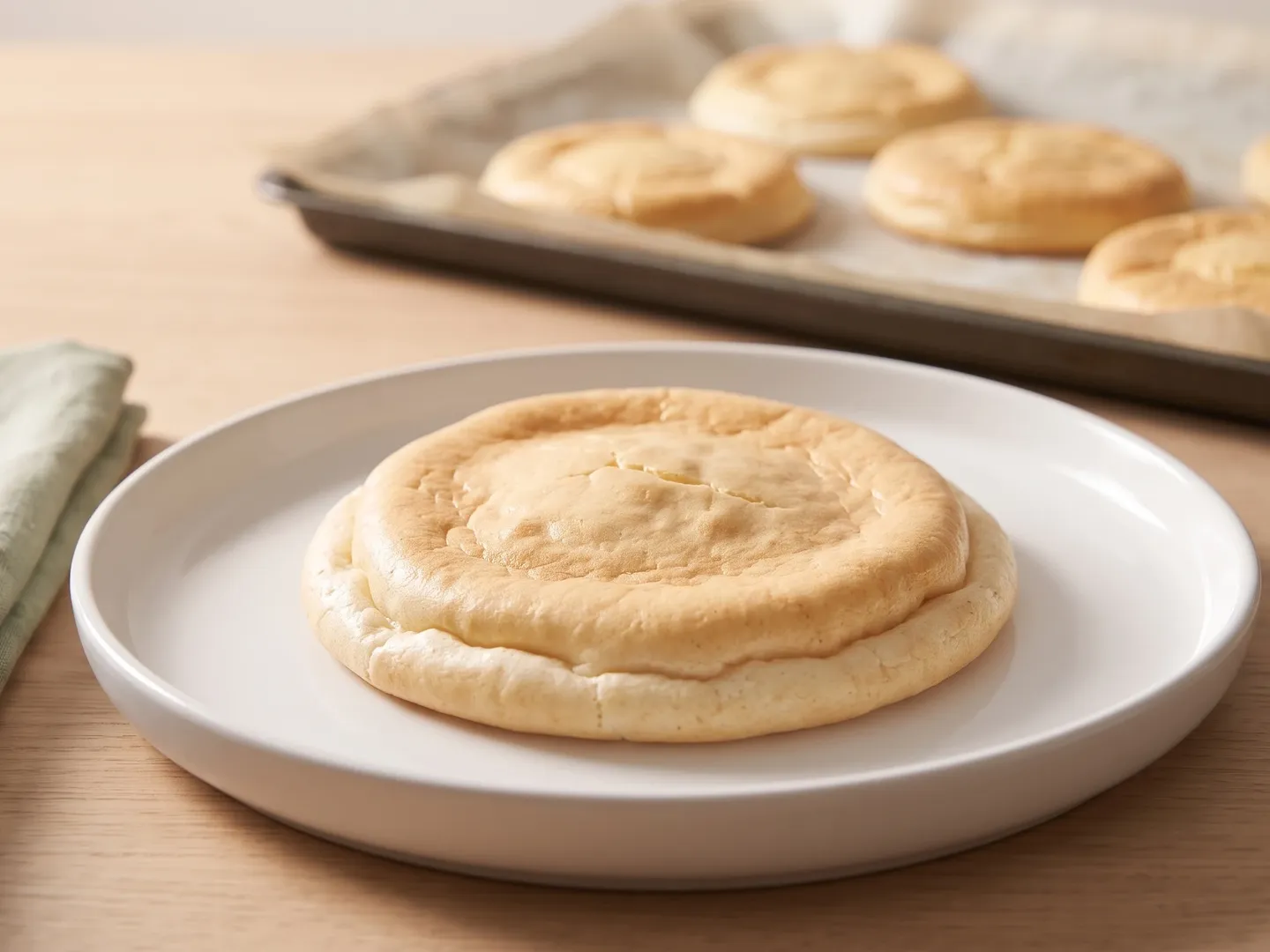
Allulose-Sweetened BBQ Sauce
Smoky homemade BBQ sauce with no-salt-added tomato paste, cider vinegar and smoked paprika, sweetened with allulose and simmered in 10 minutes. About 7 g of carbohydrate per 2 tablespoons.
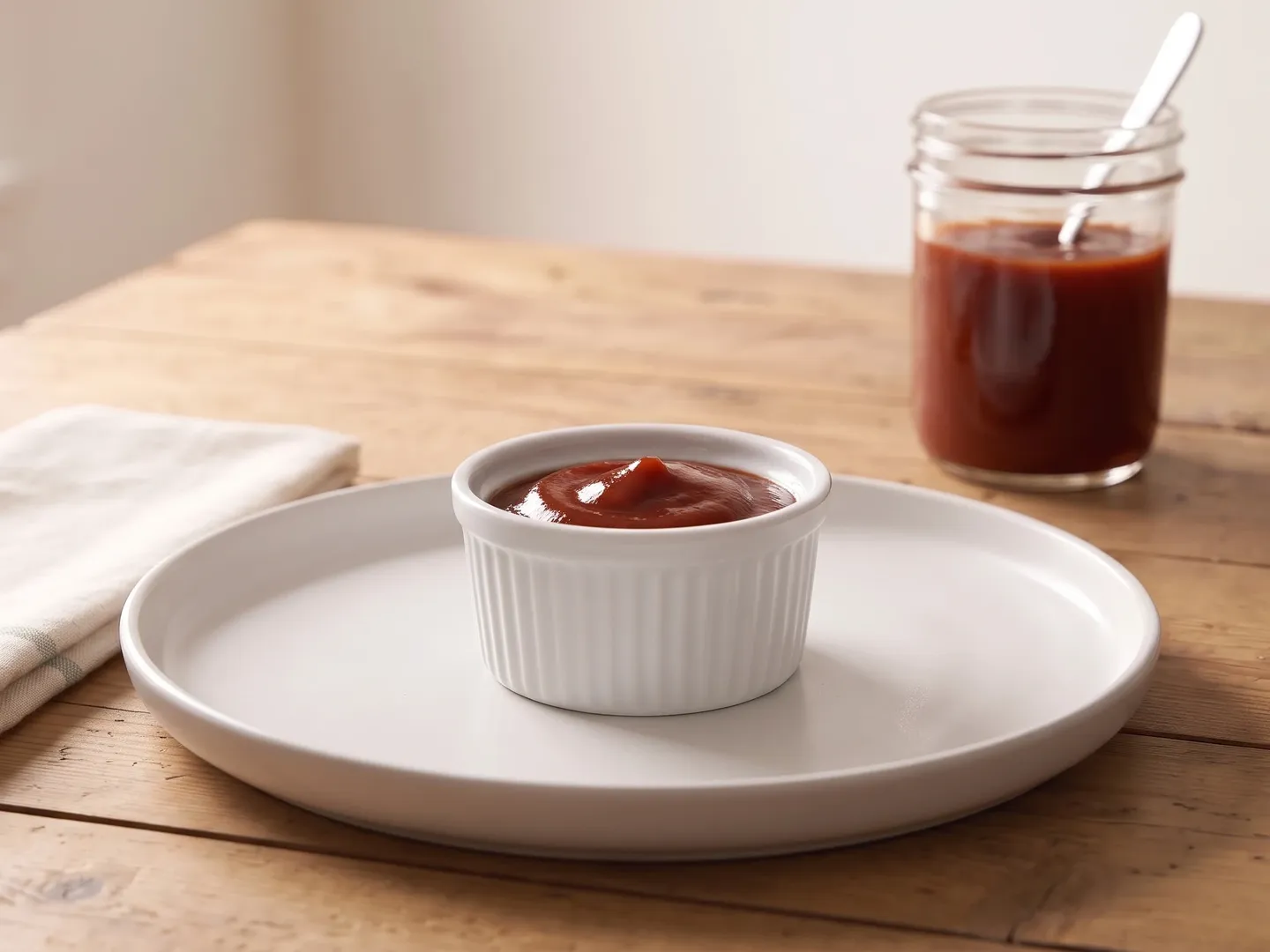
One serving
One serving is 2 tbsp (makes about 1½ cups). Prep 5 min · Cook 12 min.
Steps
Whisk the tomato paste, cider vinegar, water, allulose, Worcestershire sauce, mustard, smoked paprika, garlic powder, onion powder, salt and black pepper in a saucepan until smooth.
Bring to a simmer over medium heat, then lower the heat and simmer, stirring often, until thick and glossy, about 10 minutes.
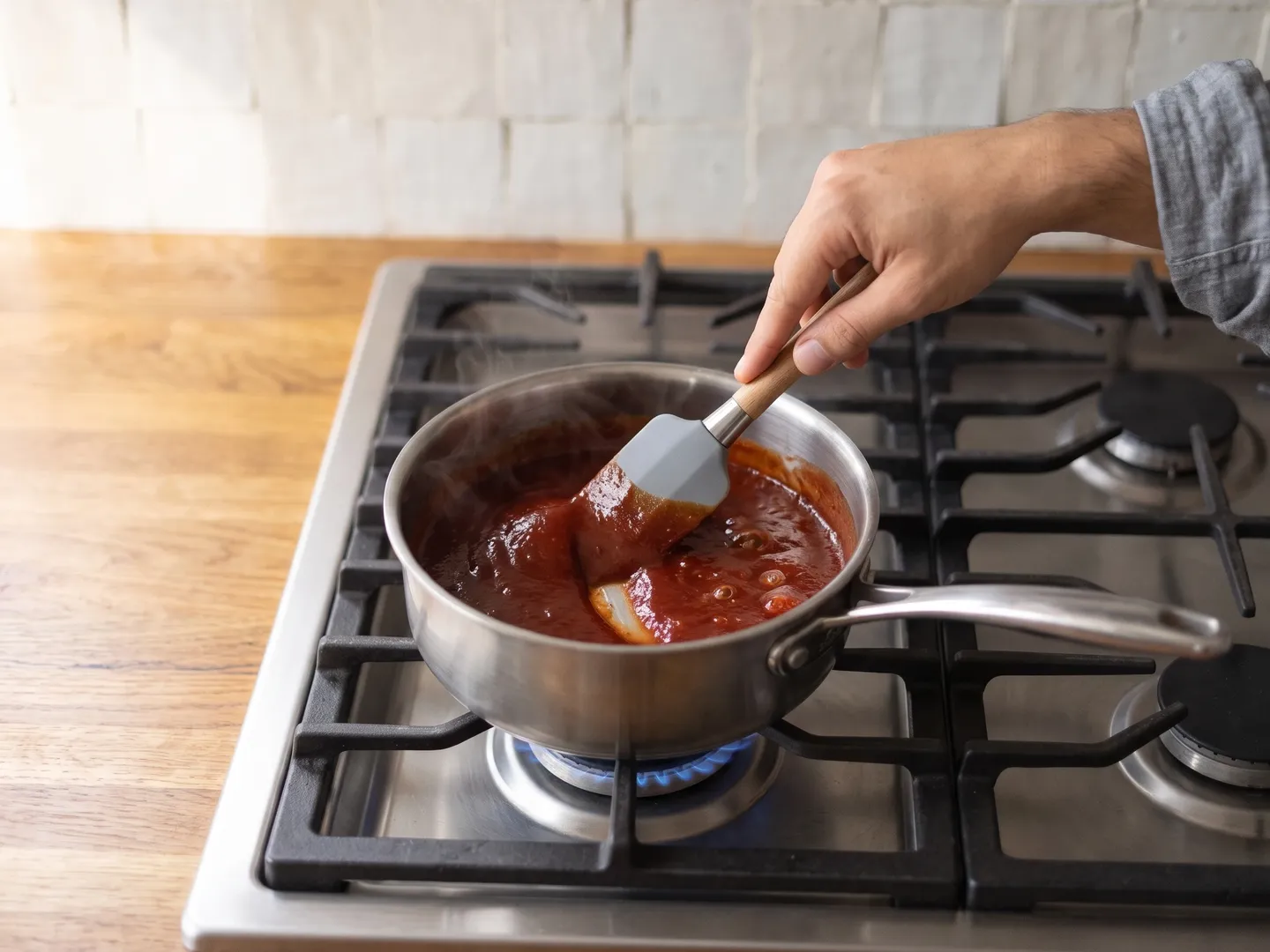
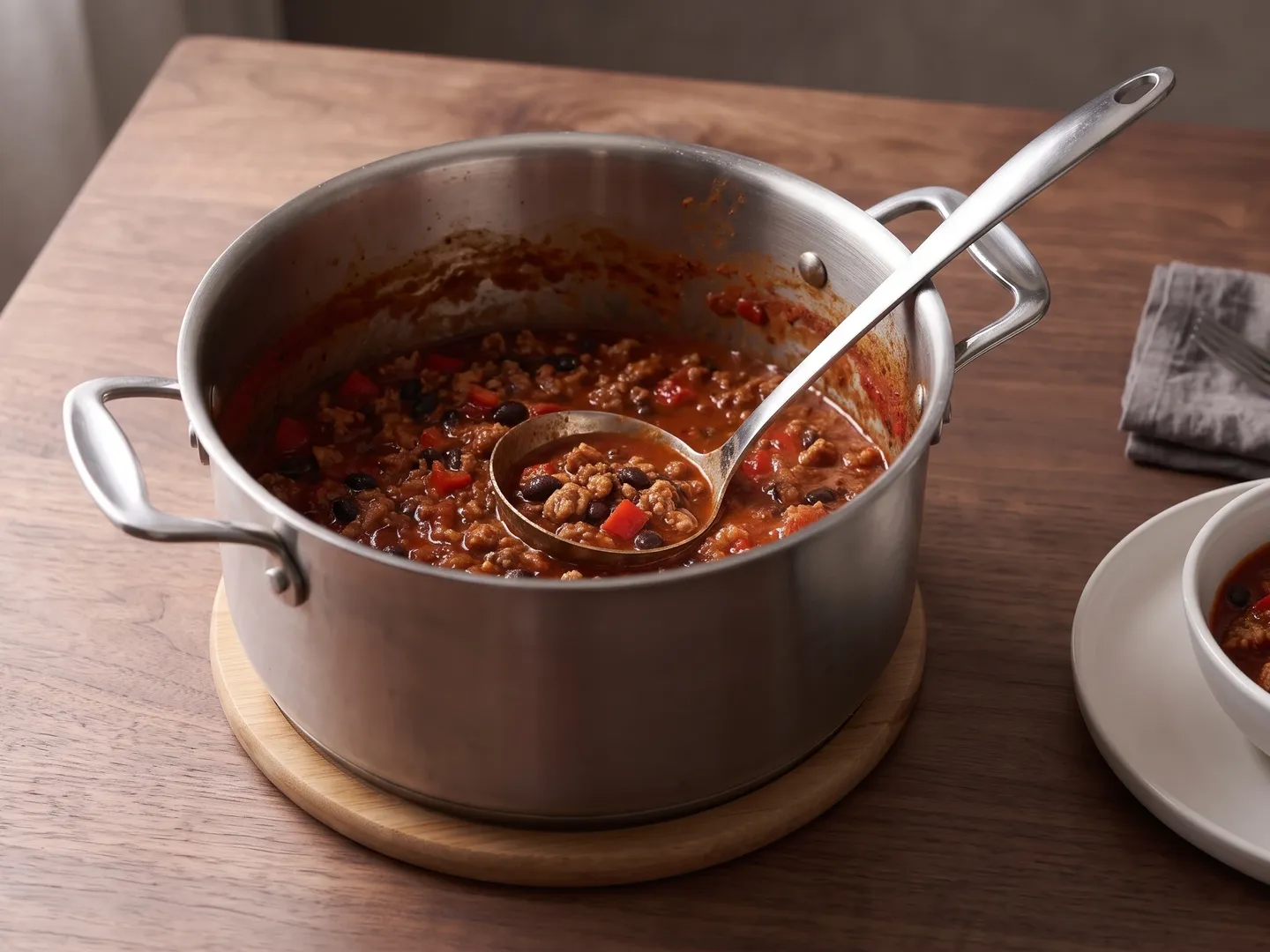
AI-generated illustrative image. Let it cool and store it in a glass jar in the refrigerator.
On the plate
A sauce, not a plate section. Two tablespoons add about 7 g of carbohydrate, 4 g of it from allulose.
Nutrition
| Nutrient | Per serving (1/12 of recipe) |
|---|---|
| Calories (kcal) | 16 |
| Total carbohydrate | 7 g |
| Dietary fiber | <1 g |
| Total sugars | 2 g |
| Protein | <1 g |
| Total fat | <1 g |
| Saturated fat | <1 g |
| Sodium | 85 mg |
Total carbohydrate includes fiber, as on US nutrition labels. Values are calculated from USDA FoodData Central for the ingredients as listed and are estimates. How we calculate.
Where these numbers come from
| Ingredient | Weight | Carbs | Source |
|---|---|---|---|
| tomato paste Tomato paste, no salt added | 170 g | 32.1 g | “Tomato products, canned, paste, without salt added (Includes foods for USDA's Food Distribution Program)”, USDA SR Legacy, FDC ID 170459 |
| cider vinegar Cider vinegar | 60 g | <1 g | “Vinegar, cider”, USDA SR Legacy, FDC ID 173469 |
| water Water | 120 g | 0.0 g | “Beverages, water, tap, drinking”, USDA SR Legacy, FDC ID 173647 |
| allulose Allulose, granulated | 48 g | 48.0 g | “ALLULOSE SUGAR”, USDA Branded, FDC ID 2652700 |
| Worcestershire sauce Worcestershire sauce | 15 g | 2.9 g | “Sauce, worcestershire”, USDA SR Legacy, FDC ID 171610 |
| mustard Mustard, prepared | 10 g | <1 g | “Mustard, prepared, yellow”, USDA SR Legacy, FDC ID 172234 |
| smoked paprika Paprika | 4 g | 2.2 g | “Spices, paprika”, USDA SR Legacy, FDC ID 171329 |
| garlic powder Garlic powder | 2 g | 1.5 g | “Spices, garlic powder”, USDA SR Legacy, FDC ID 171325 |
| onion powder Onion powder | 2 g | 1.6 g | “Spices, onion powder”, USDA SR Legacy, FDC ID 171327 |
| salt Salt | 2 g | 0.0 g | “Salt, table”, USDA SR Legacy, FDC ID 173468 |
| black pepper Black pepper, ground | 1 g | <1 g | “Spices, pepper, black”, USDA SR Legacy, FDC ID 170931 |
Counted as zero because the source has no value and the amount is 1 g or less per serving: mustard (); smoked paprika (); garlic powder (); onion powder (); salt (); black pepper ().
Calculation engine v1.3.0.
Swaps and variations
- Spicy
- Add ¼ tsp cayenne or 1 tsp chipotle powder.
- Gluten-free or vegan
- Use a Worcestershire sauce labeled gluten-free, or a vegan one; most contain anchovies.
Storage
Refrigerate in a closed jar up to 1 week, or freeze in an ice cube tray up to 3 months.
Nutrition values are estimates calculated from USDA data for the ingredients as listed. This recipe is information, not medical advice; decisions about your diet belong to you and your healthcare team. How we calculate.
Printed from diabetesbites.com/recipes/allulose-sweetened-bbq-sauce. Nutrition per serving is calculated from USDA FoodData Central for the ingredients as listed.
FAQs
Quick answers about allulose-sweetened bbq sauce.
Is this BBQ sauce sugar-free?
No. The tomato paste brings about 2 g of natural sugars per 2 tablespoons, and allulose is itself a type of sugar that US labels count in total carbohydrate but not in total or added sugars. A serving has about 7 g of carbohydrate, 4 g of it from allulose.
Does BBQ sauce have a lot of sugar?
Many bottled sauces list sugar, molasses or corn syrup among the first ingredients, so check the label. This one is sweetened with allulose.
What can I use this BBQ sauce on?
Brush it on grilled chicken, turkey burgers or salmon in the last few minutes of cooking; added too early, it burns.
How was this recipe?
Be the first to rate it.